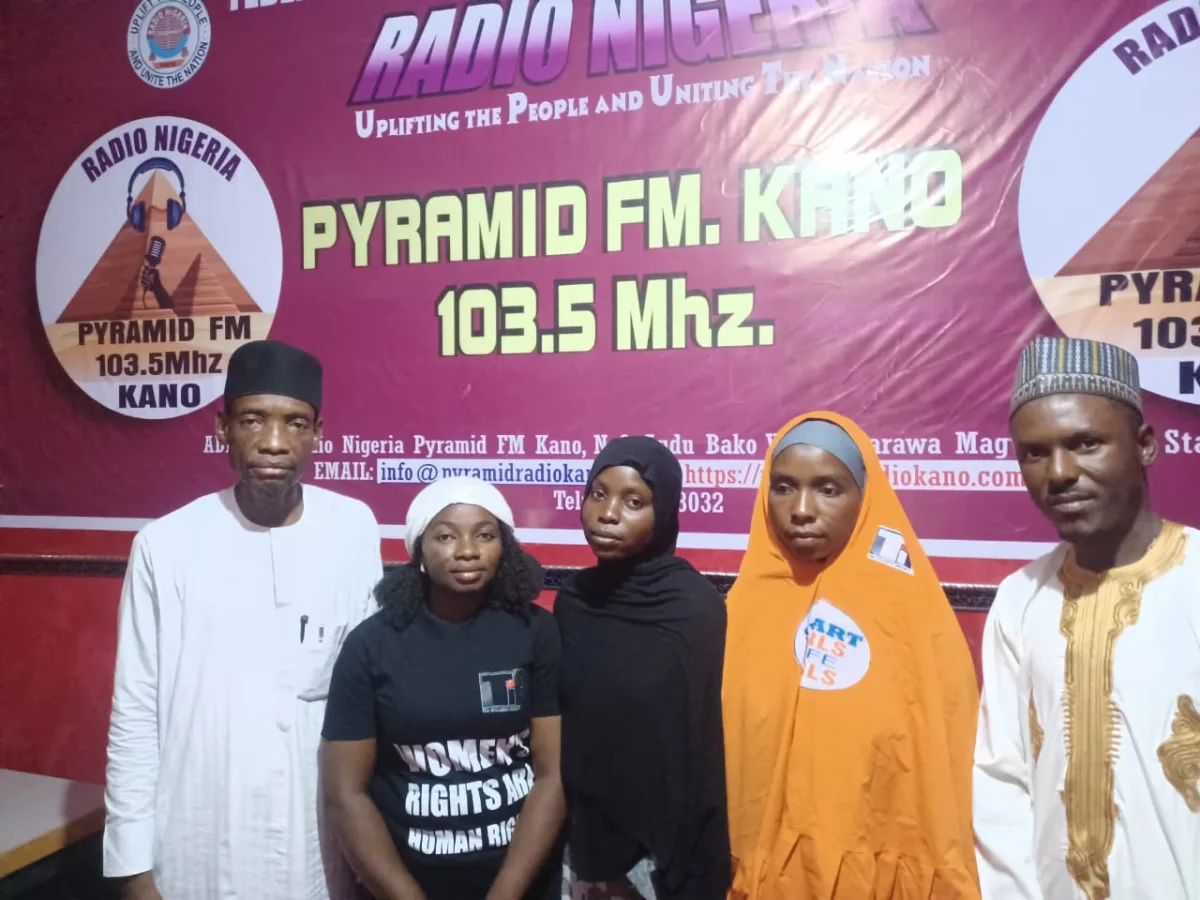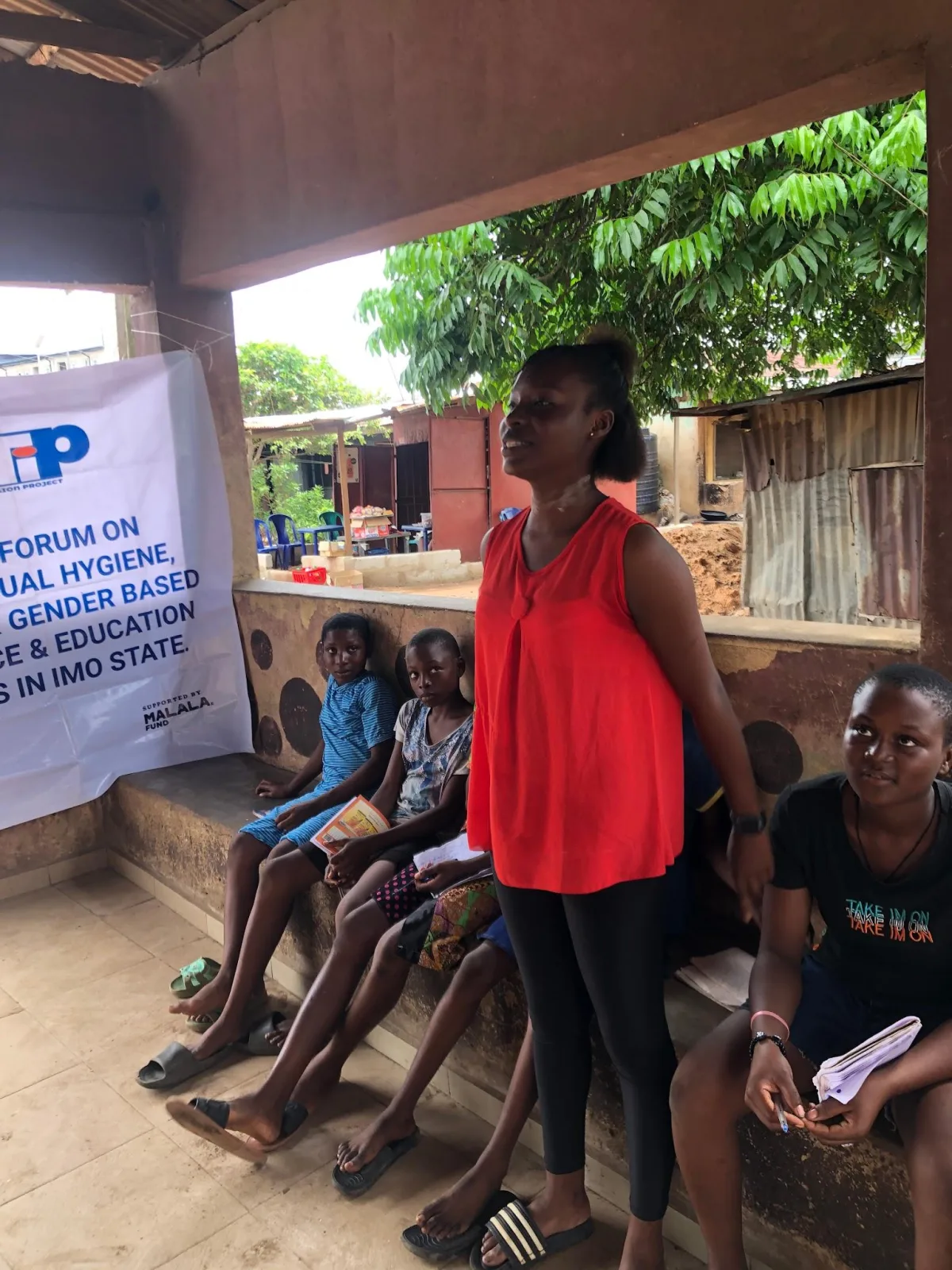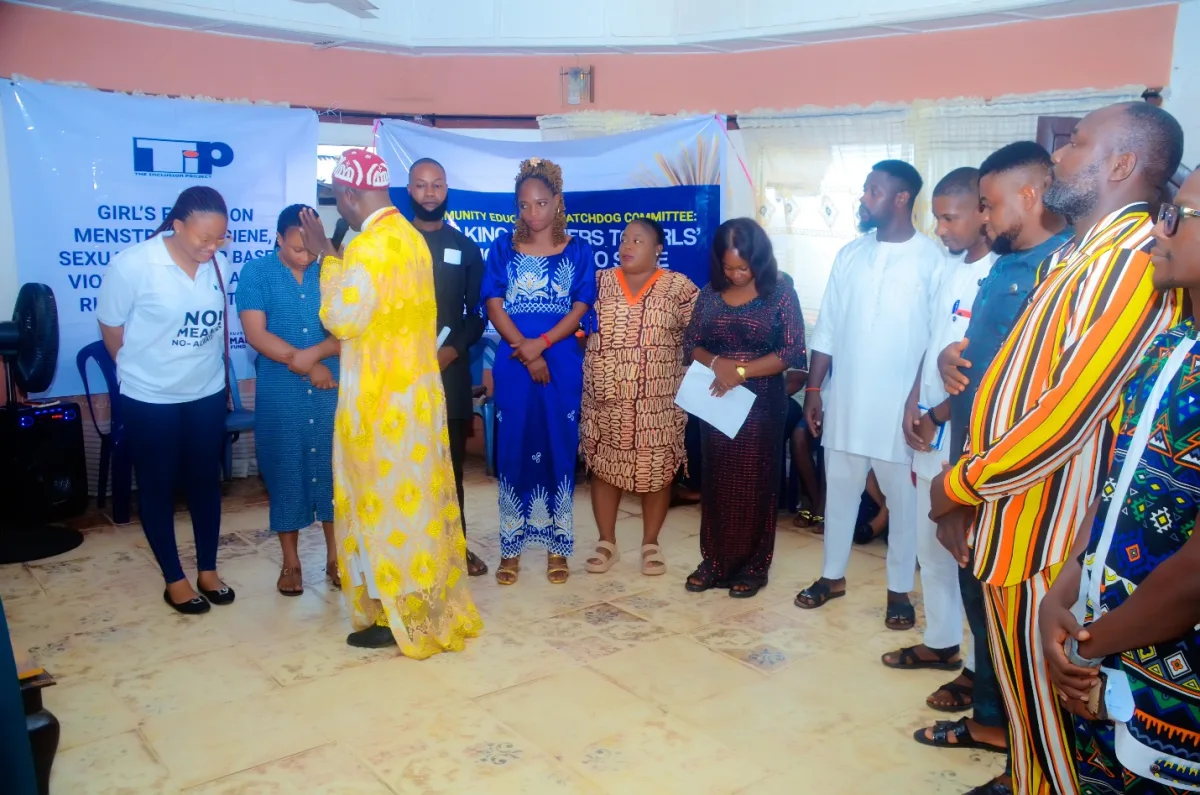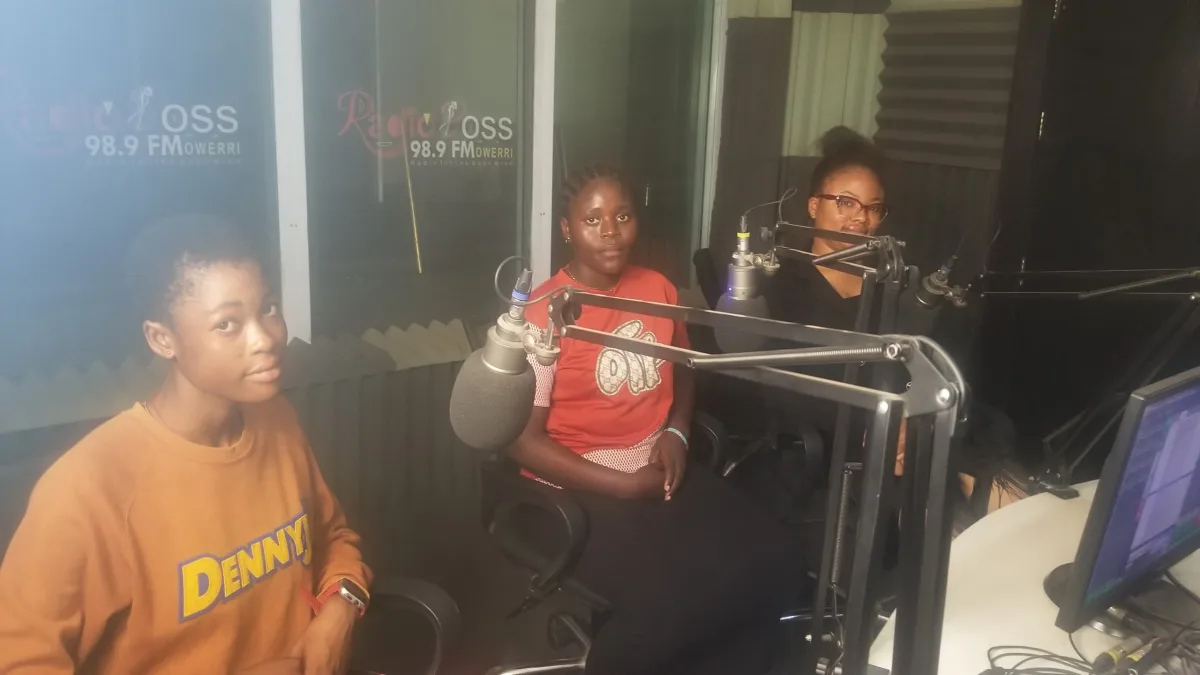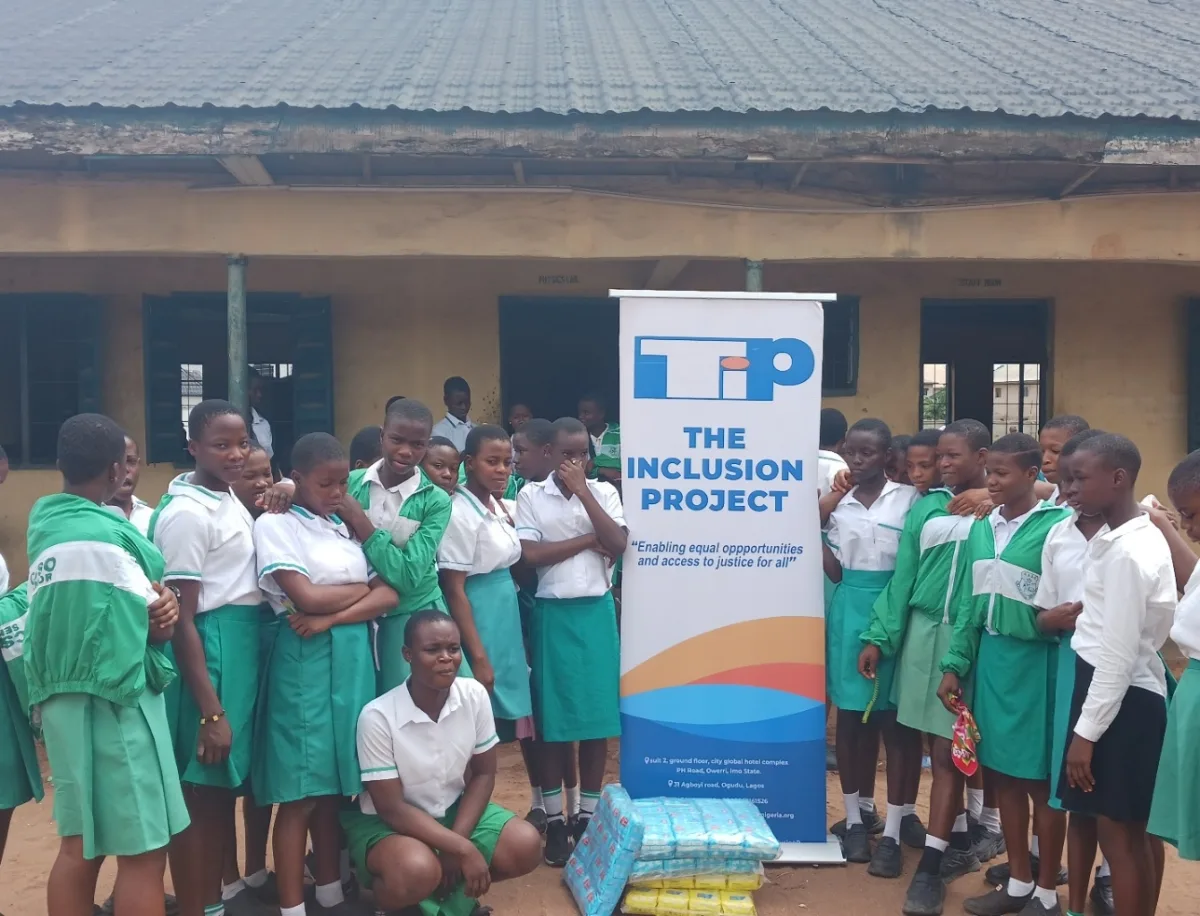
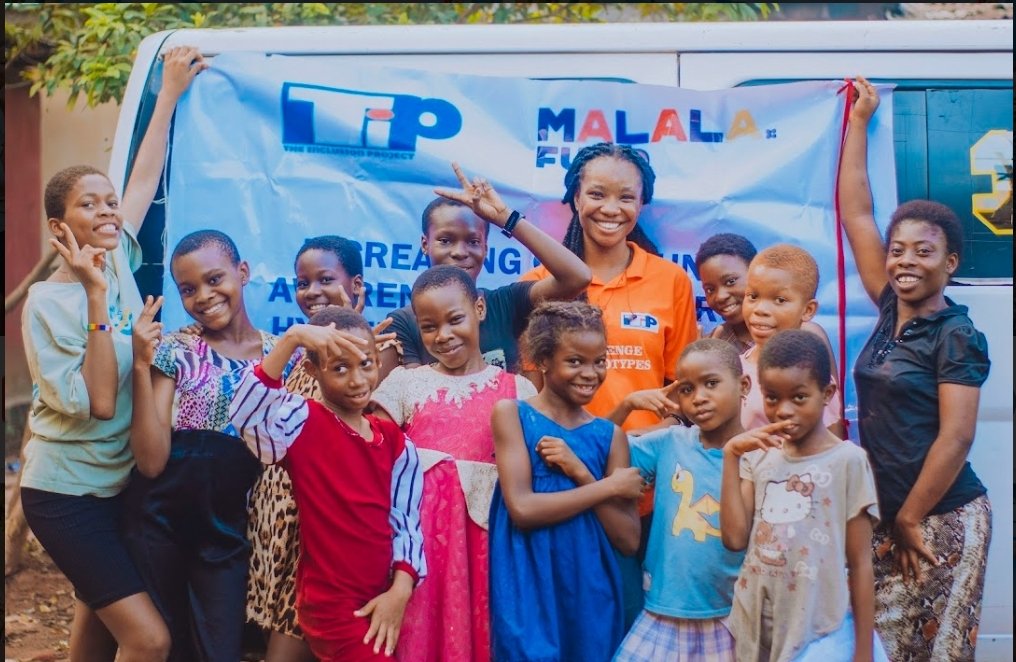
A group of girls standing and smiling in front of a banner carrying The Inclusion Project and Malala Fund logos.

Programme 03

Girls’ Rights and Education

Girls in school, safe there, and heard when it matters.

We work to remove the barriers that keep girls out of school and unsafe within it: increasing access to education, promoting menstrual health, creating safe spaces, amplifying girls’ voices and preventing sexual and gender-based violence.

Focus areas
5
Projects
5
Stories
3

The problem

Why it matters

At The Inclusion Project, we believe that every girl has the right to quality education, safety, dignity and equal opportunities.

Poverty, gender inequality, poor menstrual hygiene, early marriage, school-related gender-based violence and limited participation in decision-making all continue to affect girls’ educational outcomes. Being enrolled is not the same as being safe, heard and able to learn.

Our response

What we do

We collaborate with schools, communities, parents, educators, justice actors and young people to create environments where girls can learn, lead and thrive. Through advocacy, community engagement, mentorship and evidence-based interventions, we work to ensure that girls are not only in school but are also safe, heard and empowered.

Inside this programme

What this covers

01

School outreach on sexual and gender-based violence

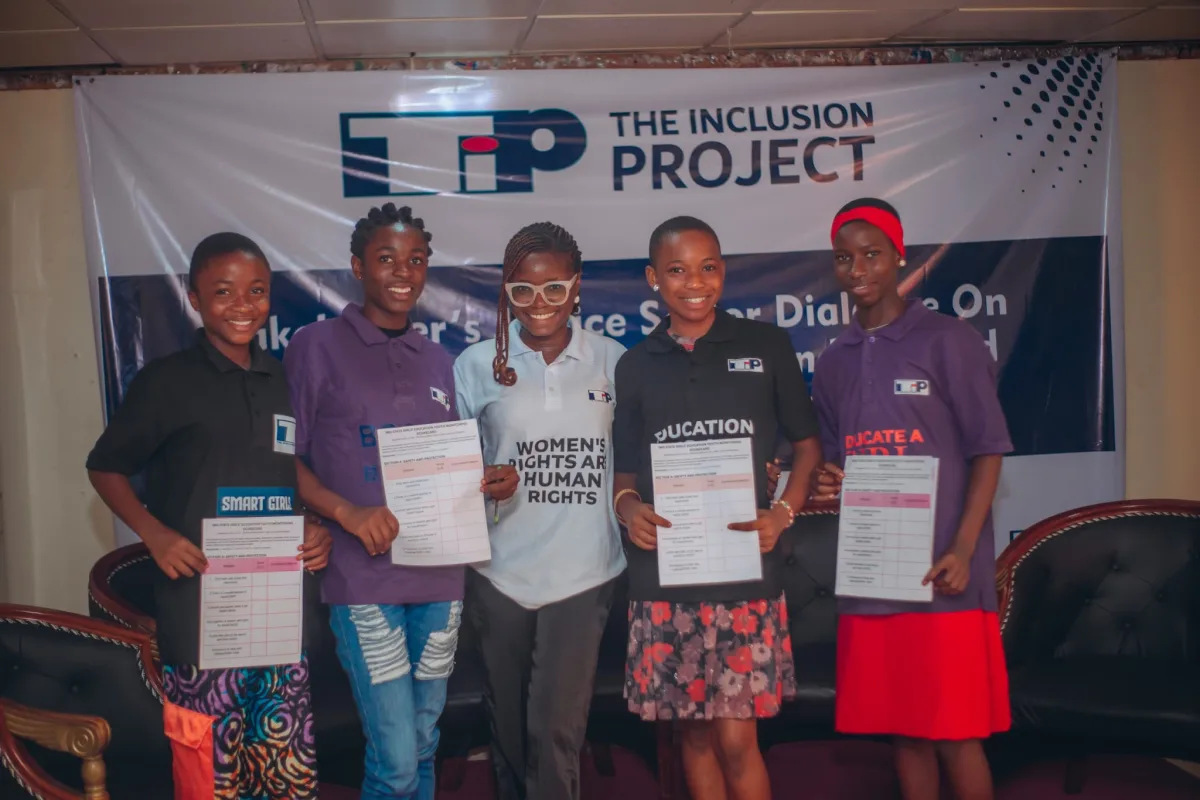
We run outreach programmes that educate girls about sexual and gender-based violence, their rights, and the importance of speaking up, with practical information on recognising violence, seeking support and protecting themselves.
02

Menstrual health and reusable pad training

Access to menstrual products remains a barrier to school attendance. We train girls to make reusable pads, equipping them with a sustainable and affordable way to manage their menstrual health.

03

Girls’ Champions Club

A supportive space where girls learn, connect and grow together, developing leadership skills, building confidence and becoming advocates for their own rights and education through interactive sessions, mentorship and peer engagement.

04

Media and advocacy participation

We create opportunities for girls to take part in advocacy and media engagement, including radio programmes, where they speak for themselves about the issues affecting their education and wellbeing.

05

Community engagement

We create safe and inclusive spaces where girls can openly discuss the challenges affecting their education, safety and wellbeing, and where parents, teachers and community leaders hear them.

On the ground

Projects in this programme

All projects

Ongoing Girls’ Rights and Education

Girls’ Champions Club

A supportive space where girls learn, connect and grow together, building leadership, confidence and the ability to advocate for their own rights.

Ongoing Girls’ Rights and Education

Reusable Pad Training

Practical training that equips girls to make reusable sanitary pads, so that a lack of menstrual products does not keep them out of school.

Imo State

Ongoing Girls’ Rights and Education

Girls’ Participation in Media and Advocacy

Opportunities for girls to speak for themselves, on the radio and in advocacy spaces, about the issues affecting their education and wellbeing.

Kano State

Ongoing Girls’ Rights and Education

Community Engagement for Girls

Safe and inclusive spaces where girls can openly discuss the challenges affecting their education, safety and wellbeing.

Imo State

Latest

Stories from this programme

All stories

Keep a girl in school

Support the outreach, the clubs and the menstrual health work that keeps girls learning.

Our other programmes

Access to Justice

We provide pro bono legal aid to people who cannot access or afford a lawyer: in correctional centres, in magistrates’ courts, and on death row. We also litigate the issues that affect whole communities.

  • Criminal Defence Project
  • CIDT Project
  • Mental Health
  • Public Interest Litigation

Women’s Rights

We work to ensure that violence and discrimination based on sex and disability are eliminated, providing legal services to survivors, engaging communities, and pressing for the laws that protect women to be implemented.

  • Sexual and reproductive rights
  • Sexual and gender-based violence
  • Family and custody matters
  • Menstrual health and dignity